
What Tim Spector and other top dieticians eat in a day… and why they say it’s time to
With seemingly endless diets and health advice lurking on the internet and social media, it can feel like a minefield when it comes to choosing what you should eat for breakfast, lunch and dinner.
So the Mail asked top gut health experts, nutritionists and food scientists what they actually consume in an average day…
Professor Tim Spector
Breakfast: Nothing or yoghurt with kefir, nuts, seeds and berries
Lunch: Beans, vegetables, a handful of nuts, something fermented and cheese
Dinner: One-pan fish with vegetables and fresh herbs
Snacks: Nuts or high-quality dark chocolate
Drinks: Water, kombucha, water kefir, coffee and, occasionally, a glass of wine
Professor Spector, a world-renowned gut health expert based at King’s College London, usually skips breakfast if he’s not hungry, so he can extend his overnight fast.
His research suggests that those who eat all of their meals within a ten-hour window, between 9am and 7pm, for example, have more energy, better mood and improved gut health.

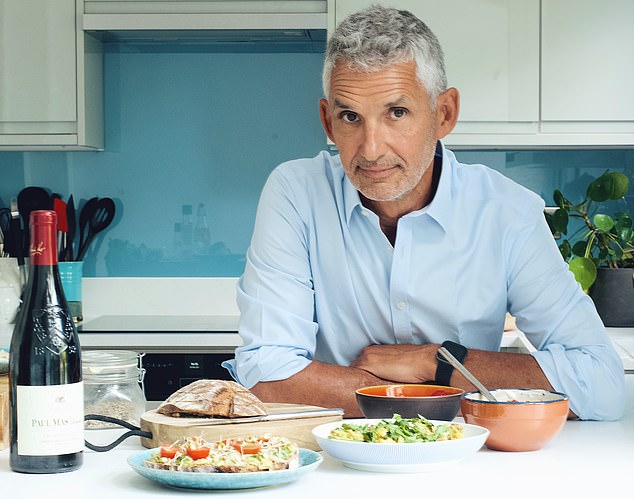
Professor Tim Spector is a world-renowned gut health expert based at King’s College London
However, if he does fancy breakfast, he will usually tuck into natural yoghurt, kefir (a fermented milk drink, similar to a thin yoghurt) nuts, seeds and berries.
Professor Spector used to drink orange juice with his first meal of the day before discovering it was behind a massive spike in his blood sugar.
When fruit is crushed into a juice, its cell walls break down and release sugar, which reaches the blood faster and causes a spike in blood sugar.
He said: ‘In the short term, this can leave you feeling hungrier. And in the longer term, repeated and excessive blood sugar spikes over the years can increase your risk of poor health outcomes.’
The professor is the author of Food For Life
Consuming fruit in a juice form also removes a lot of the fibre, which helps regulate blood sugar and hunger levels, he said. ‘However, when you eat fruit whole, the cell walls stay intact for longer, so sugars are released more slowly.’
For lunch, he tends to have leftovers from dinner the night before or make a meal that contains beans, vegetables, nuts, cheese and something fermented.
Professor Spector, who co-founded personalised nutrition company ZOE, makes one-pan meals for dinner and often opts for fish, lots of vegetables and fresh herbs.
‘All of my meals include a variety of plants to help me reach my 30 plants a week, which contain fibre and polyphenols that our gut microbes love,’ he said.
Professor Spector advocates the 30-plant challenge based on a study he co-authored, which found that hitting the target boosts the diversity and health of the microbiome – the trillions of bugs living inside of us.
The 30 plants not only include fruit and vegetables but also herbs, spices, nuts, seeds, whole grains and legumes, as well as coffee, dark chocolate and popcorn.
Professor Spector said he selected his meals with his ‘gut microbes in mind’.
‘The gut microbiome is one of the most exciting areas of nutrition research at the moment, and a growing body of evidence links a healthy gut to numerous health benefits, including reduced constipation, lower risk of heart disease, type 2 diabetes, Alzheimer’s and many other chronic diseases,’ he said.
Professor Spector said he doesn’t often feel the need to snack between his meals but, if he does, he opts for a handful of nuts or high-quality dark chocolate.
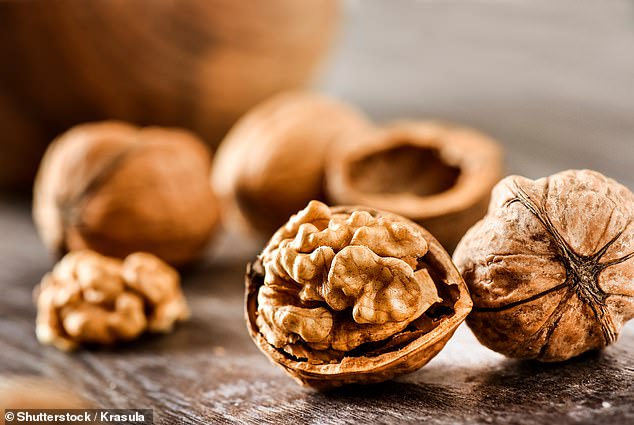
When Professor Spector feels like a snack, he opts for a handful of nuts or dark chocolate
For drinks, he sticks to water, homemade kombucha or water kefir (fermented drinks) and black coffee. On occasion, he has a glass of red or orange wine.
‘I always add fermented foods which contain live microbes to support your gut health,’ he said.
‘There’s a growing body of research around the health benefits of eating fermented foods regularly.
‘I recommend to include small, regular amounts of the 4 Ks (Kefir, Kombucha, Kimchi and sauerKraut), plus traditional, unpasteurised cheeses, miso paste and Greek yoghurts.’
He added: ‘I would recommend anyone to eat in a way that benefits their gut microbes, by including fermented foods, eating a variety of plants, focusing on more fibre at every meal and reducing ultra processed foods.
‘If you’re looking after your gut microbiome, you are taking a fantastic step towards a healthier, longer life. We are all unique in how we respond to food and personalising our diet is important, but if you eat for your gut health you won’t go too far wrong.’
Rob Hobson
Breakfast: Porridge and eggs on wholemeal bread
Lunch: Fried rice with peas, peppers, broccoli and eggs
Dinner: Chilli, curry, stew or meat/fish with potatoes and vegetables
Snacks: Homemade protein bars, leftovers and tortilla pizzas
Drinks: Water, coffee, kefir and wine
Rob Hobson, a registered nutritionist based in London, starts his day with porridge before tucking into eggs on homemade wholemeal bread mid-morning.
Read More:What Tim Spector and other top dieticians eat in a day… and why they say it’s time to