
Riken Yamamoto wins 2024 Pritzker Architecture Prize
Japanese architect Riken Yamamoto has been named the winner of this year’s Pritzker Architecture Prize for his buildings that are a “background and foreground to everyday life”.
Yamamoto, who is the 53rd Pritzker Architecture Prize laureate and the ninth from Japan, was honoured for his buildings that aim to foster community.
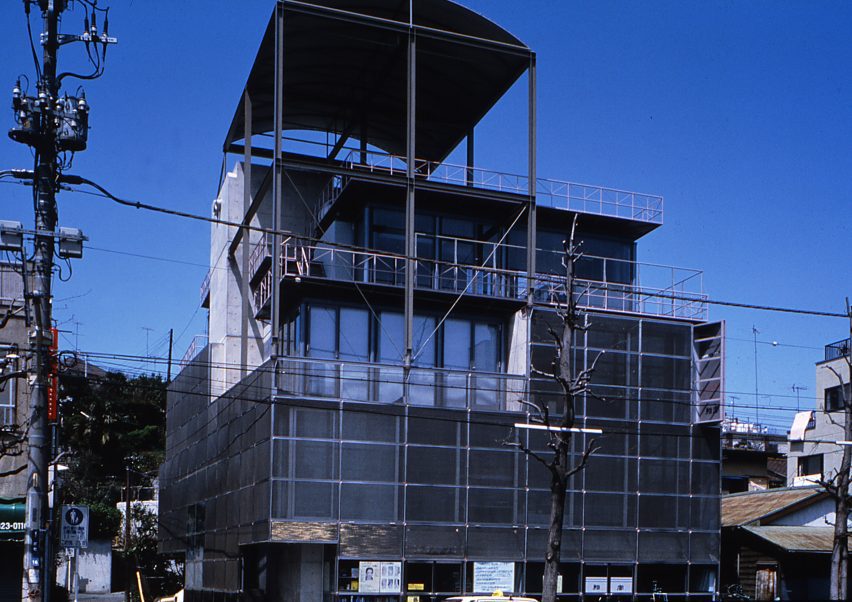
“For me, to recognise space, is to recognise an entire community,” said Yamamoto.
“The current architectural approach emphasises privacy, negating the necessity of societal relationships. However, we can still honour the freedom of each individual while living together in architectural space as a republic, fostering harmony across cultures and phases of life.”
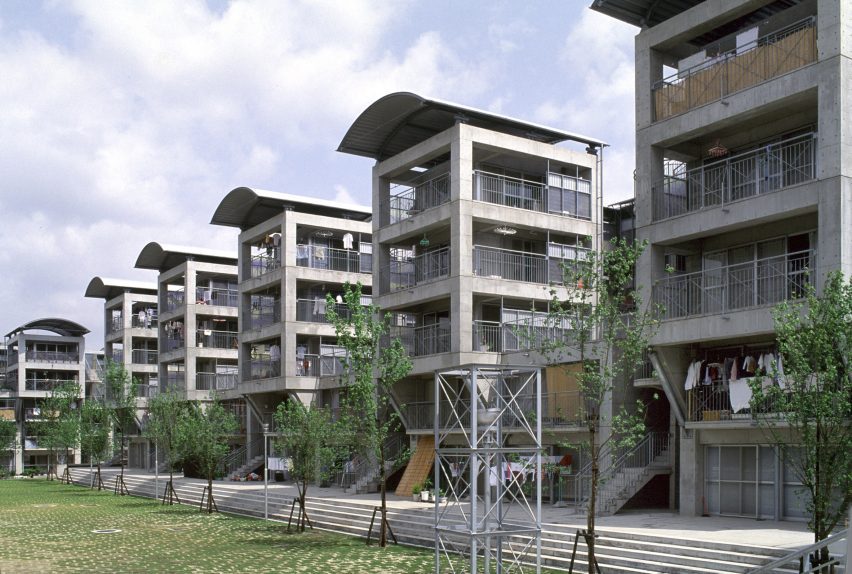
The jury, led by Chilean architect and 2016 Pritzker Architecture Prize winner Alejandro Aravena, believed that many of the ideals in Yamamoto’s work, including the blurring of public and private spaces, could be applied to future cities.
“One of the things we need most in the future of cities is to create conditions through architecture that multiply the opportunities for people to come together and interact,” explained Aravena.
“By carefully blurring the boundary between public and private, Yamamoto contributes positively beyond the brief to enable community,” he continued.
“He is a reassuring architect who brings dignity to everyday life. Normality becomes extraordinary. Calmness leads to splendor.”
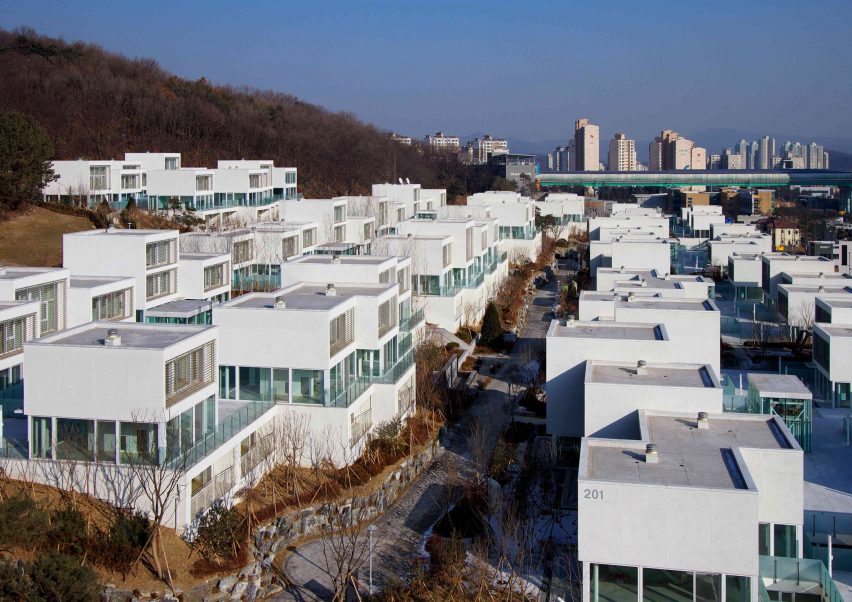
Through his five-decade career, Yamamoto has built numerous private homes, housing projects, schools, university campuses, civic buildings, museums and even a fire station.
His works often incorporate terraces, courtyards and other outdoor spaces that can encourage interaction with the building’s surroundings.
Born in Beijing, China, Yamamoto studied architecture at Nihon University, Tokyo University of the Arts and the University of Tokyo before establishing his studio – Yamamoto & Field Shop Co – in 1973.
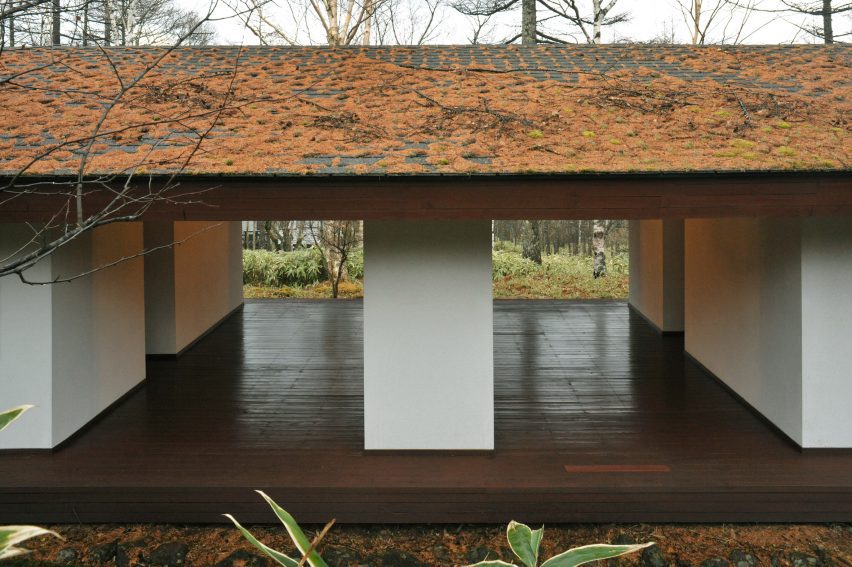
His early houses included Yamakawa Villa in 1977, which was arranged around a large covered terrace, and his own Gazebo home in 1986, which incorporates outdoor terraces and courtyard spaces.
The larger housing projects that followed were designed on similar principles, with the aim of encouraging interaction between residents.
His best-known housing projects include the low-rise Pangyo Housing development in Seongnam, South Korea, which has a commune deck on the first floor for residents.
Yamamoto’s first social housing project, the Hotakubo Housing in Kumamoto, Japan, contains 110 homes arranged around a tree-lined central square.
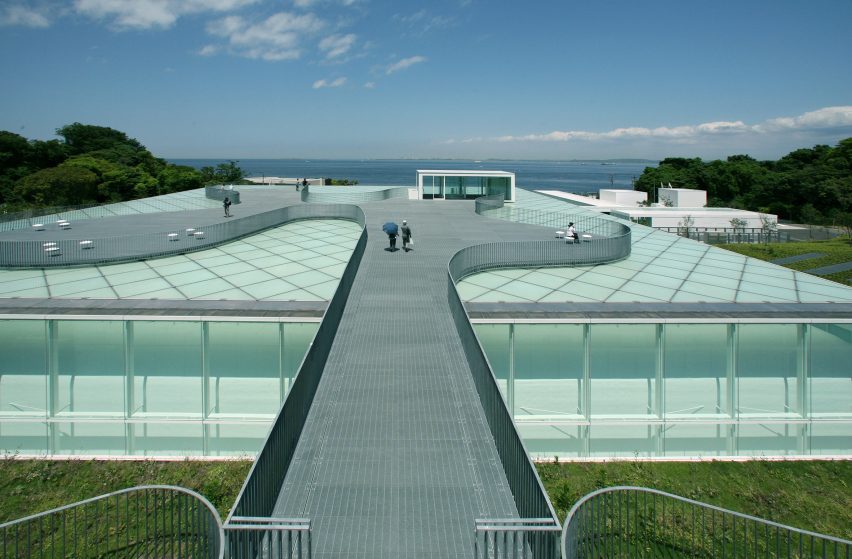
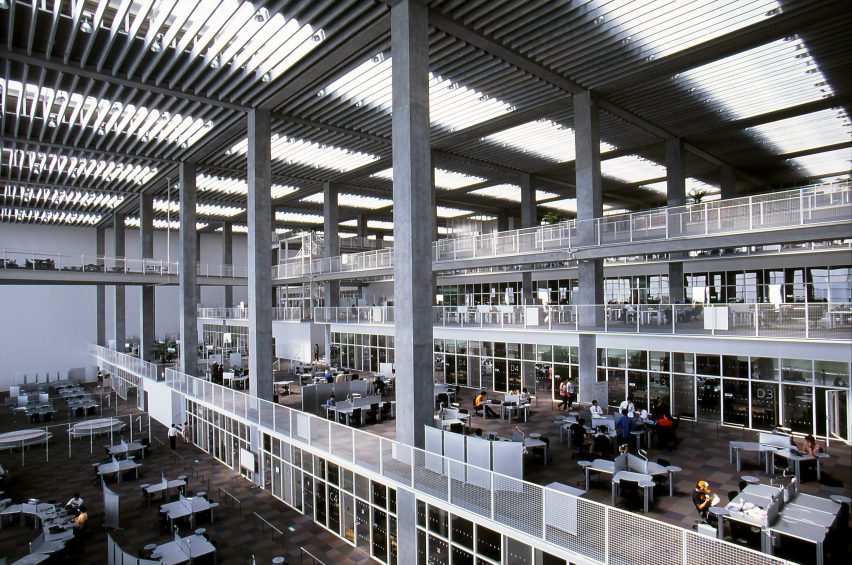
Other key examples of his ethos include the Future University of Hakodate, which contains a large, multi-level, open study space and the Yokosuka Museum of Art, which is topped with a curved viewing platform.
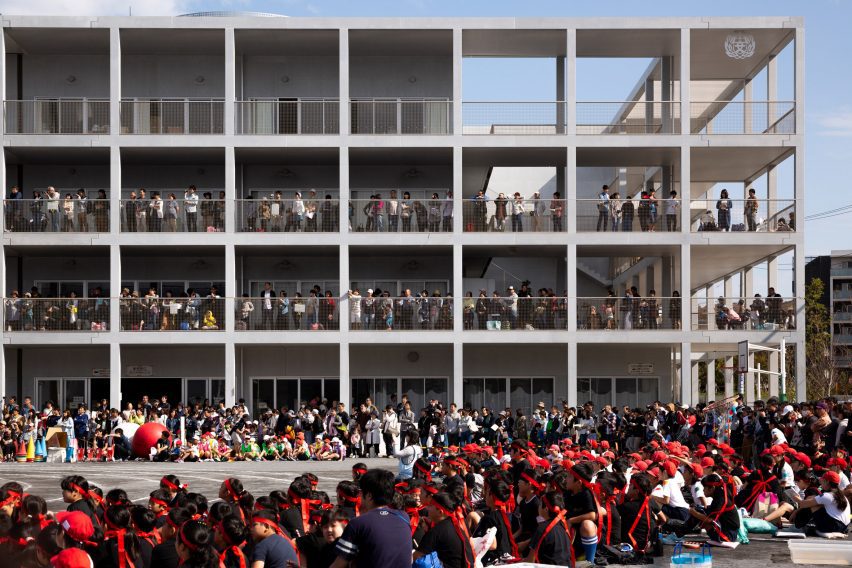
The Koyasu Elementary School has terraces that connect all the classrooms, while the Tianjin Library in China has numerous floors and mezzanines arranged to hold the collection of six million books.
Yamamoto is the ninth Japanese architect to win the prize, following Arata Isozaki, Shigeru Ban, Toyo Ito, Kazuyo Sejima and Ryue Nishizawa, Tadao Ando, Fumihiko Maki and Kenzo Tange. Japanese architects have won the award more times than any other nationality in its 45-year history.
Last year’s prize was awarded to British architect David Chipperfield, while Burkinabè architect Diébédo Francis Kéré was named the winner in 2022.
Jury citation
The Pritzker Prize is conferred in acknowledgment of those qualities of talent, vision and commitment, which have persistently produced significant contributions to humanity and the built environment through the art of architecture. In his long, coherent, rigorous career, Riken Yamamoto has managed to produce architecture both as background and foreground to everyday life, blurring boundaries between its public and private dimensions, and multiplying opportunities for people to meet spontaneously, through precise, rational design strategies.
By the strong, consistent quality of his buildings, he aims to dignify, enhance and enrich the life of individuals – from children to elders – and their social connections. And he does this through a self-explanatory yet modest and pertinent architecture, with structural honesty and precise…
Read More:Riken Yamamoto wins 2024 Pritzker Architecture Prize